


Have you ever watched your team struggle to hit targets or, even worse, disengage from the very goals they were hired to achieve? As a leader, HR professional, or manager, it can feel like an uphill battle trying to align everyone, maintain collaboration, and drive consistent success.
Building high performing teams isn’t just about gathering talented individuals. It’s about creating an environment where each person feels connected, motivated, and driven toward a shared vision. When you focus on trust, leadership, and continuous development, you unlock the potential to achieve exceptional results.
In this blog, we will explain how to build high-performing teams by focusing on clear goals, strong leadership, trust, and the systems that sustain long-term performance.
Clear, aligned goals ensure everyone knows what they’re working towards and why it matters.
Trust and psychological safety build an environment where team members feel free to share ideas and take risks.
Leadership guides the team’s direction and inspires accountability.
Performance management software helps track progress and align individual efforts with team goals.
Continuous development and recognition keep teams motivated and on track to succeed.
A high-performing team isn’t just a group of talented people working together. It’s a team that shares a common purpose, communicates openly, and consistently delivers results that exceed expectations. These teams don’t just meet goals, they push the boundaries of what’s possible and create lasting impact.
Once we’ve defined what a high-performing team is, we must learn the key characteristics that make such teams stand out.
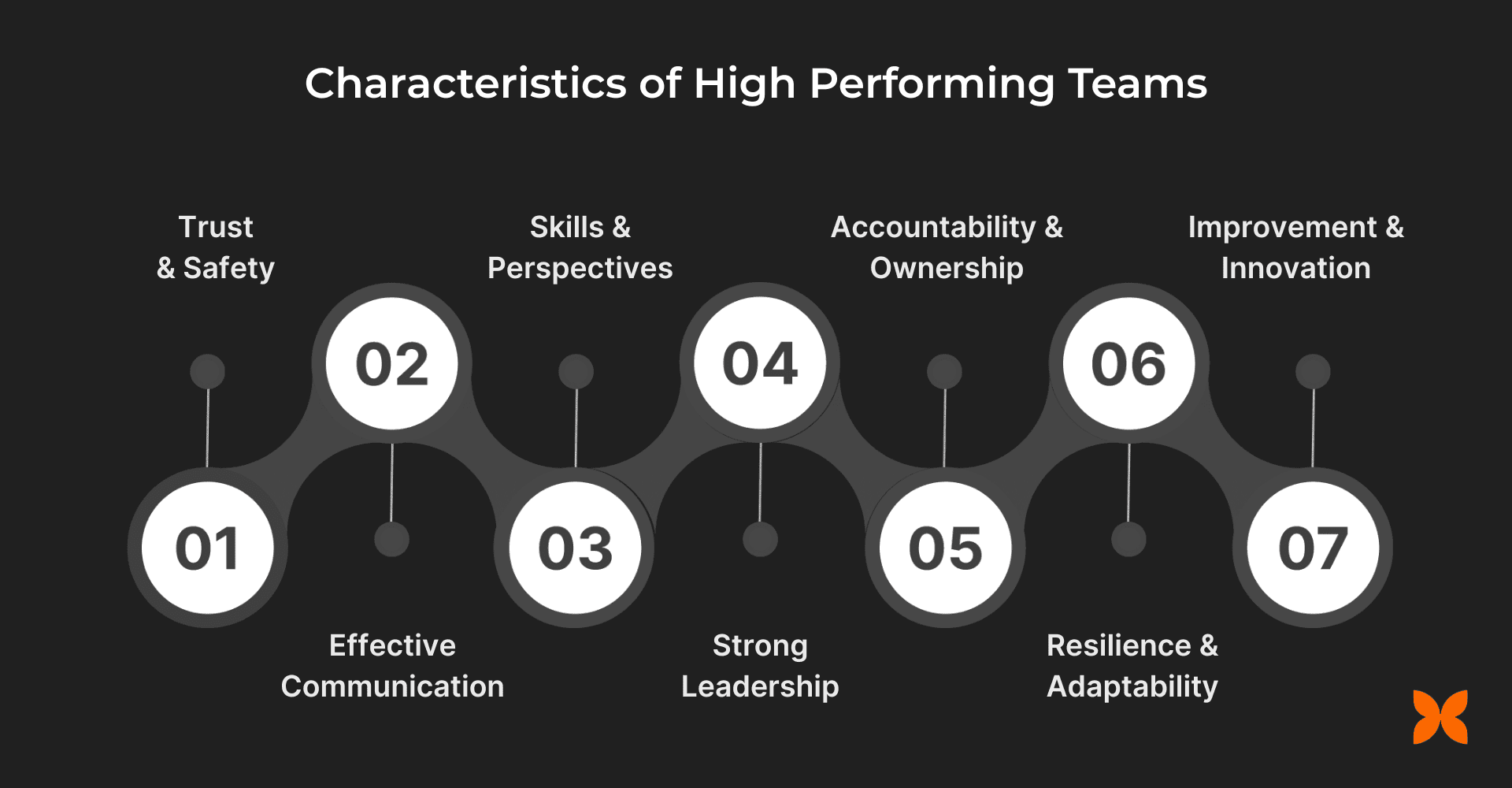
Building high performing team is about creating an environment where each team member’s strengths are maximised, and the team works cohesively towards shared goals.
We discussed a few points above; now, let's understand in detail how high performing teams are characterised by certain key traits that enable them to consistently deliver exceptional results.
1. Strong Trust and Psychological Safety
Psychological safety means that team members can express themselves, take risks, and make mistakes without fearing negative consequences. In high-performing teams, members trust each other, communicate openly, and feel safe sharing ideas without fear of criticism.
This trust builds innovation, as team members are comfortable experimenting, learning, and growing together.
2. Effective Communication
Communication in high-performing teams is open, honest, and transparent. This ensures that team members are always on the same page, preventing misunderstandings and encouraging collaboration. It also helps teams solve problems faster and respond to challenges more efficiently.
3. Diverse Skills and Perspectives
A mix of complementary skills and diverse perspectives is important for innovation. High-performing teams bring together people with different backgrounds and expertise, allowing them to approach problems from various angles and find creative solutions.
4. Strong Leadership
Effective leadership sets the tone for the team’s culture, direction, and success. High-performing teams succeed under leaders who inspire trust, provide clear goals, and support their team members while encouraging accountability.
5. Accountability and Ownership
High-performing teams take ownership of their responsibilities and hold each other accountable. Everyone understands their role and is committed to delivering high-quality work, ensuring that the team can rely on each individual to do their part.
6. Resilience and Adaptability
These teams are resilient in the face of setbacks. Instead of being discouraged by obstacles, they adapt quickly, learn from failures, and continue pushing forward. This resilience helps high-performing teams stay ahead of the competition and drive continuous improvement.
7. Continuous Improvement and Innovation
High-performing teams are committed to growth and innovation. They consistently seek feedback, learn from their experiences, and strive to improve their skills and processes. This ongoing focus on improvement ensures that the team stays dynamic and competitive.
High performing teams don’t just check off tasks; they create real, measurable impact. Here’s how they contribute to organisational success:
Boosted Productivity: Teams with higher engagement are 18% more productive compared to those with lower engagement.
Increased Profitability: High-performing teams are 23% more profitable than teams with lower engagement.
Better Adaptability and Innovation: 96% of high-performing teams are very or moderately effective at adapting to change, compared to 73% of low-to-moderately performing teams.
These results underscore the benefits of building high-performing teams. From increased productivity to higher profitability and better adaptability, the impact of a well-coordinated, high-performing team is undeniable.
With a clear understanding of the core characteristics, it’s time to learn the four important pillars that help you build a high-performing team. By focusing on these pillars, you can address the gaps that may be delaying your team’s performance.
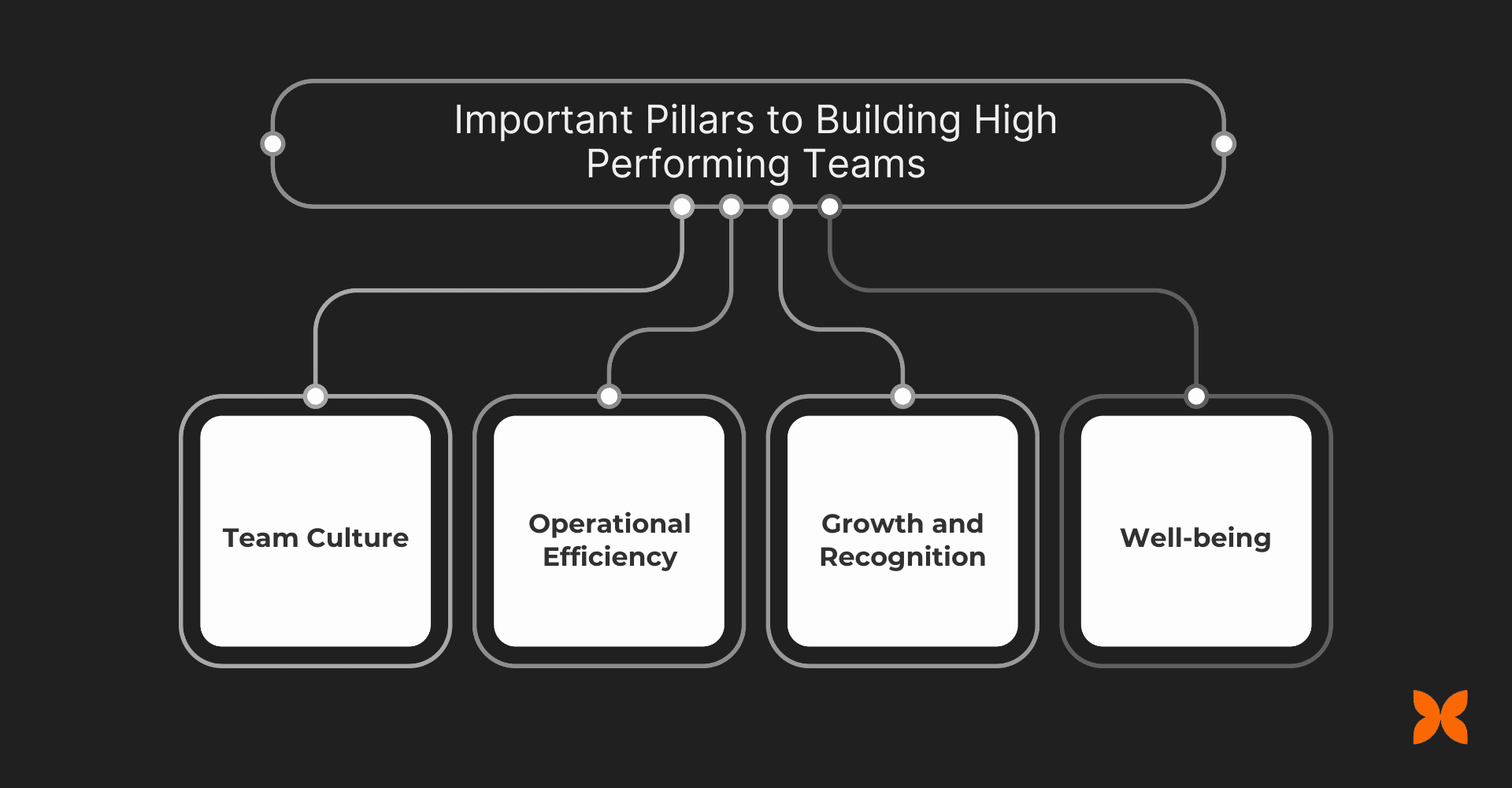
We believe that to build truly high-performing teams, businesses need to focus on four key pillars: team culture, operational efficiency, growth and recognition, and well-being. By focusing on these pillars, you’ll be able to assess where your organisation stands and identify areas that need improvement.
This structured approach will help you build a stronger, more collaborative, and productive team. Here’s how each pillar plays an important role in building high performing teams:
1. Team Culture
When communication is open and collaboration is encouraged, teams perform better. If your team is struggling, it’s often a sign that team culture needs attention. Focus on building trust and maintaining clear communication to help the team perform at its best.
Promote Open Communication: Maintain an environment where team members feel comfortable sharing ideas and feedback. Regular check-ins and honest conversations help keep everyone aligned.
Example: At Zomato, team huddles are held frequently, allowing employees to share feedback openly. This transparent communication helps avoid misunderstandings and ensures everyone is on the same page.
Encourage Collaboration & Build Trust: Encourage collaboration by creating opportunities for team members to work together and build trust. When people trust each other, they’re more willing to share ideas and collaborate freely.
Example: TCS often brings together employees from different departments to solve problems, allowing for collaboration that drives innovation and strengthens team bonds.
2. Operational Efficiency
High-performing teams work efficiently, but if your team is hindered by confusion or inefficiencies, it will be hard to meet goals. By setting clear goals and streamlining processes, you can help your team focus on what really matters.
Set Clear and Achievable Goals: Use OKRs (Objectives and Key Results) to ensure everyone knows exactly what they need to do and how success will be measured.
Example: Infosys sets clear quarterly targets for each team, so everyone understands their specific role and how it contributes to overall success.
Streamline Processes: Identify inefficiencies in workflows and simplify tasks. When operations run smoothly, teams can focus on delivering results instead of getting stuck on unnecessary processes.
Example: Flipkart improved its order fulfilment system by automating parts of the process, leading to faster deliveries and a better customer experience.
3. Growth and Recognition
When people feel appreciated and have opportunities to grow, they’ll perform better. By offering growth opportunities and regularly celebrating wins, you help your team stay motivated and engaged.
Support Continuous Learning: Invest in learning and development opportunities to help your team grow. When employees continuously improve their skills, they bring more value to the team and stay engaged in their work.
Example: Wipro runs leadership and skills development programs that ensure employees keep learning and advancing in their careers. This investment in growth boosts both performance and job satisfaction.
Celebrate Wins: Regularly acknowledge and celebrate achievements, both big and small. Recognition helps build morale and reinforces the behaviours that lead to success.
Example: HDFC Bank celebrates milestones by recognising teams in company-wide meetings, which boosts motivation and helps employees feel appreciated.
Read More: Performance Management and Reward Systems
4. Well-being
Well-being is important for sustaining high performance. Teams that are overworked or stressed are at risk of burnout, which affects productivity and morale. Supporting your team’s well-being helps them stay engaged and perform at their best.
Encourage Work-Life Balance: Promote flexibility and respect for personal time. When employees can balance work and personal life, they remain healthier, happier, and more productive.
Example: Google is known for offering flexible work hours and encouraging employees to take time off when needed. This approach helps employees recharge and maintain long-term productivity.
Support Mental and Physical Health: Provide resources that promote both mental and physical well-being. This might include wellness programs, access to therapy, or a focus on healthy workplace habits.
Example: Mindtree offers mental health days and provides access to therapy services for employees, ensuring they feel supported and cared for, which reduces stress and boosts performance.
But making a team succeed is not just a one person's job; it’s important to understand who else is responsible for ensuring these pillars are in place. With the right people taking ownership of their responsibilities, your team can work towards sustained high performance.
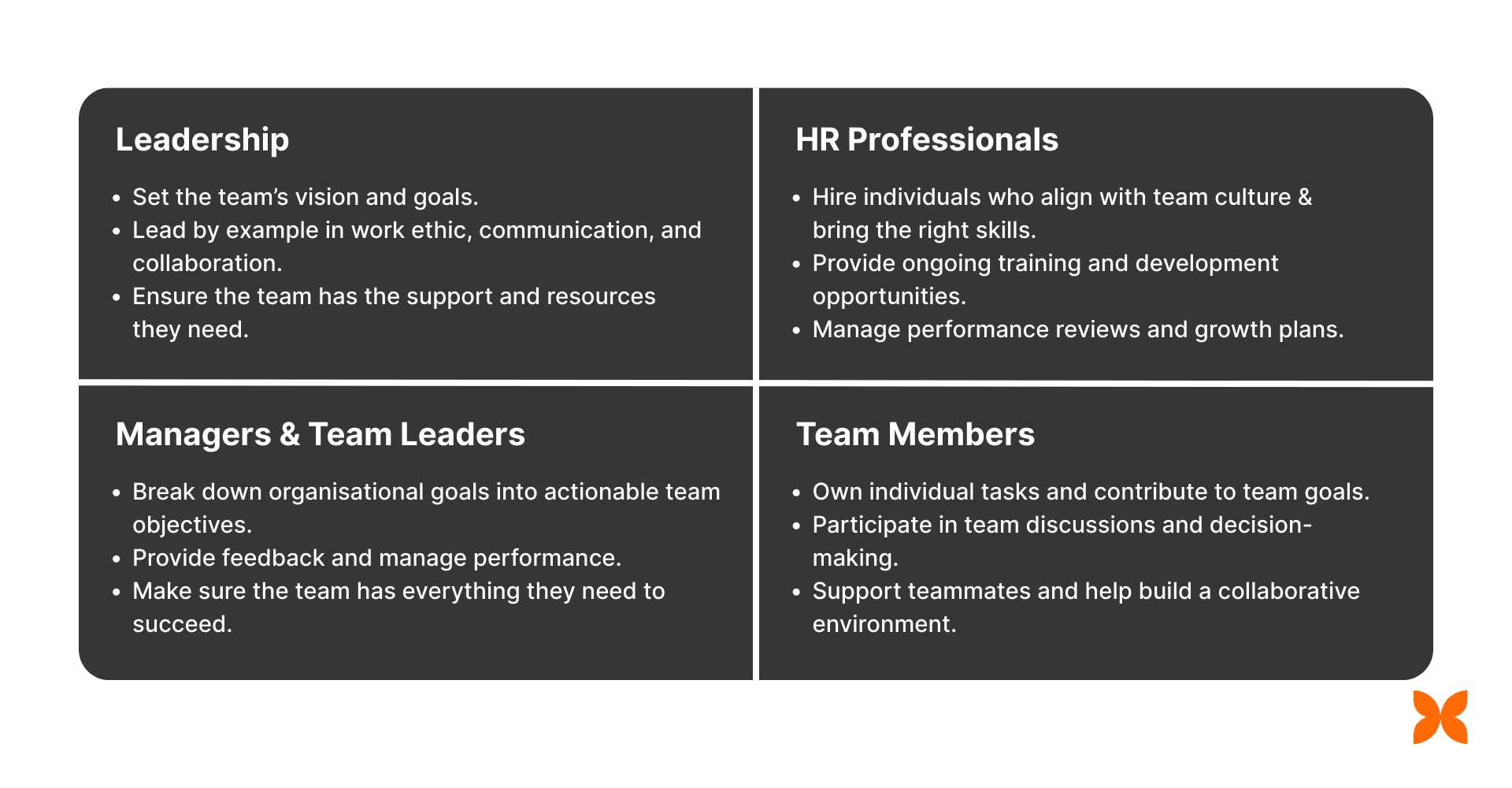
Building a high-performing team is a collective effort. It’s not just one person’s job; it’s something that involves leadership, HR, managers, and the team members themselves. Each role plays a necessary part in creating an environment where teams can succeed.
Here’s a breakdown of who’s responsible for what:
1. Leadership
Leaders provide the vision, set clear goals, and lead by example. Their role is to inspire, motivate, and give the team the resources they need to succeed. Strong leadership keeps teams aligned and ensures everyone is working toward the same objectives.
Key Responsibilities:
Set the team’s vision and goals.
Lead by example in work ethic, communication, and collaboration.
Ensure the team has the support and resources they need.
Pro Tip: To keep the team aligned with the bigger picture, use Goals and OKR Management Software. It helps track progress and ensures that everyone’s goals are in sync with the company’s mission.
2. HR Professionals
HR plays an important role in building high-performing teams from the ground up. HR is responsible for recruiting the right people, offering training and growth opportunities, and ensuring that performance stays on track. When HR gets it right, teams are stronger, more capable, and better equipped to succeed.
Key Responsibilities:
Hire individuals who align with team culture and bring the right skills.
Provide ongoing training and development opportunities.
Manage performance reviews and growth plans.
Pro Tip: Use OKR software to set clear, measurable goals for employees. It helps HR track individual and team progress, ensuring everyone is heading in the right direction.
3. Managers and Team Leaders
Managers and team leaders are the ones who make the strategy happen. They take the big goals set by leadership and translate them into daily actions. They manage performance, provide feedback, and keep the team moving forward, making sure the day-to-day operations are aligned with the team’s overall objectives.
Key Responsibilities:
Break down organisational goals into actionable team objectives.
Provide feedback and manage performance.
Make sure the team has everything they need to succeed.
4. Team Members
While leadership, HR, and managers all play important roles, the team members are the heart of any high-performing team. Their commitment, collaboration, and ability to take ownership of their work drive the team’s success. High-performing teams are built on individuals who take pride in their contributions and actively support one another.
Key Responsibilities:
Own individual tasks and contribute to team goals.
Participate in team discussions and decision-making.
Support teammates and help build a collaborative environment.
With clarity on who is responsible for driving team performance, the next step is understanding how performance management software can make the process more streamlined and effective, providing the tools you need to track progress and encourage growth.
Building high performing teams is about setting goals and tracking progress, providing feedback, and adjusting strategies as you go. This is where performance management software can be of help.
It provides the tools you need to keep everyone aligned, track progress, and encourage accountability, which are all important for high performance.
1. Setting and Aligning Clear Goals
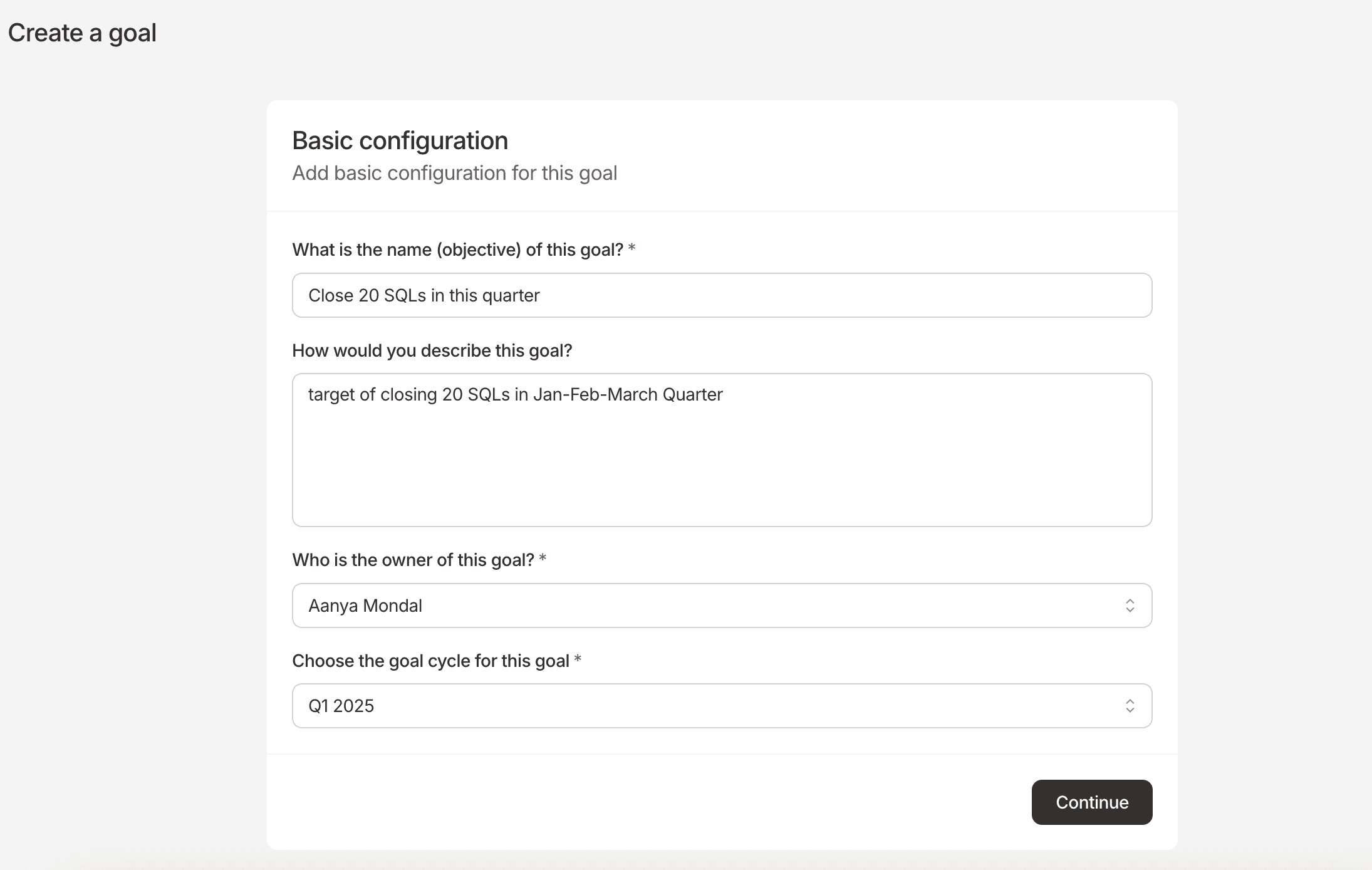
With performance management software like craze, setting clear, measurable goals becomes simple. It ensures everyone knows exactly what they’re working toward and how their efforts contribute to the team’s success. Real-time updates help keep everyone aligned and motivated, so the team stays focused on achieving its targets.
2. Continuous Feedback and Development
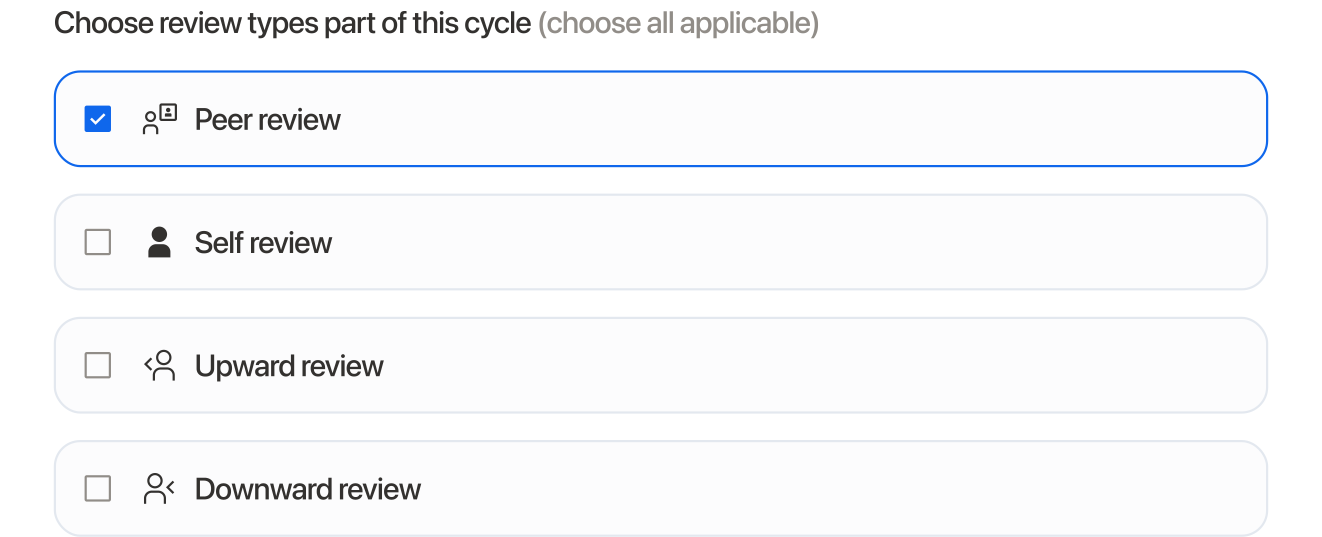
Feedback isn’t something that should only happen during annual reviews. With performance management software, feedback becomes a continuous part of the process. Managers can check in regularly, provide guidance, and address issues early, making sure team members are always moving forward.
3. Data-Driven Insights
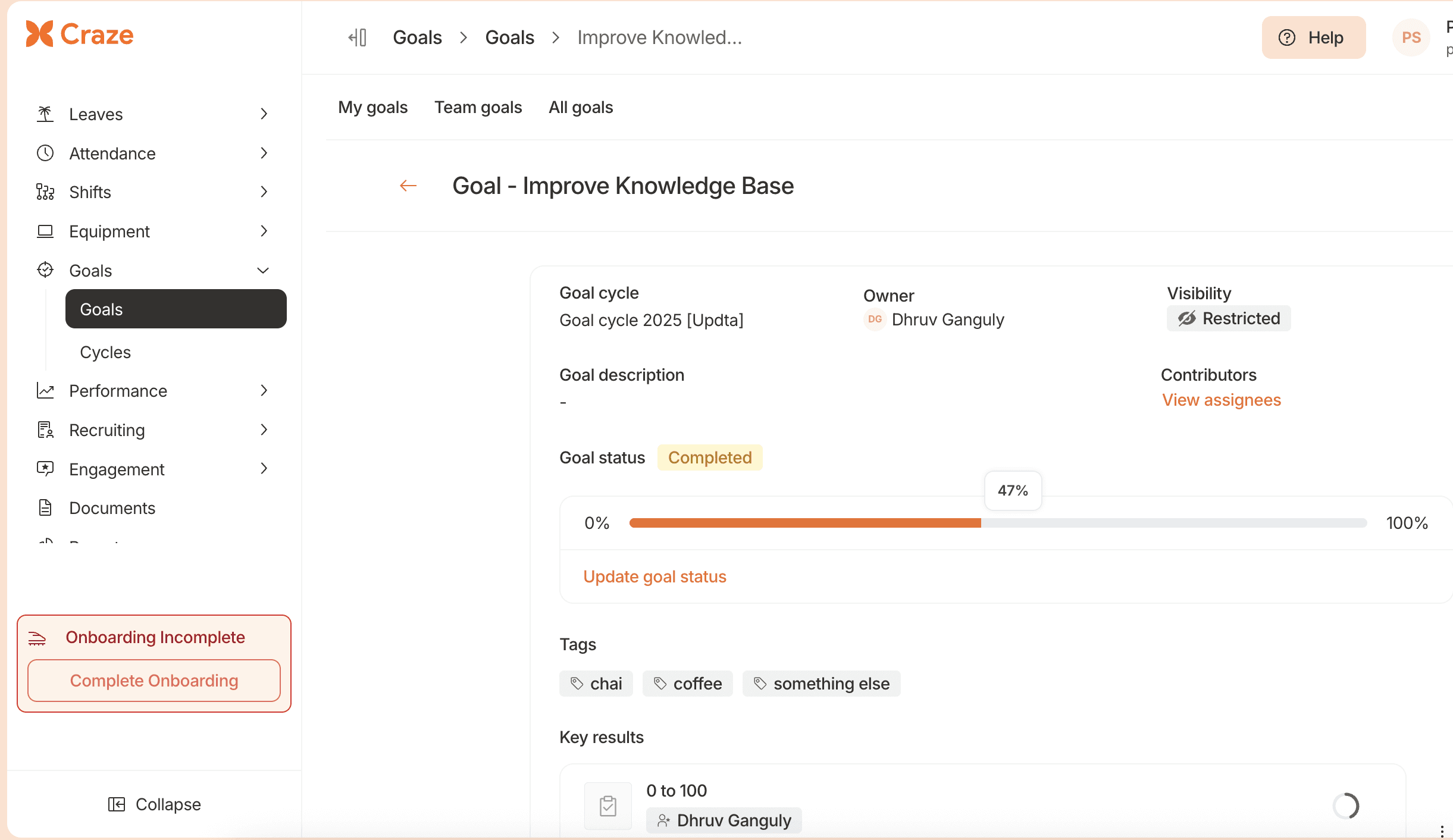
Performance management software helps you get the most out of your team by providing insights into data such as performance trends, progress tracking, goal achievement, and areas needing improvement.
By tracking progress against key performance indicators (KPIs), you can see what’s working, what needs improvement, and where to direct more attention. This takes the guesswork out of decision-making, helping you make smarter, data-driven choices.
4. Enhancing Collaboration and Transparency
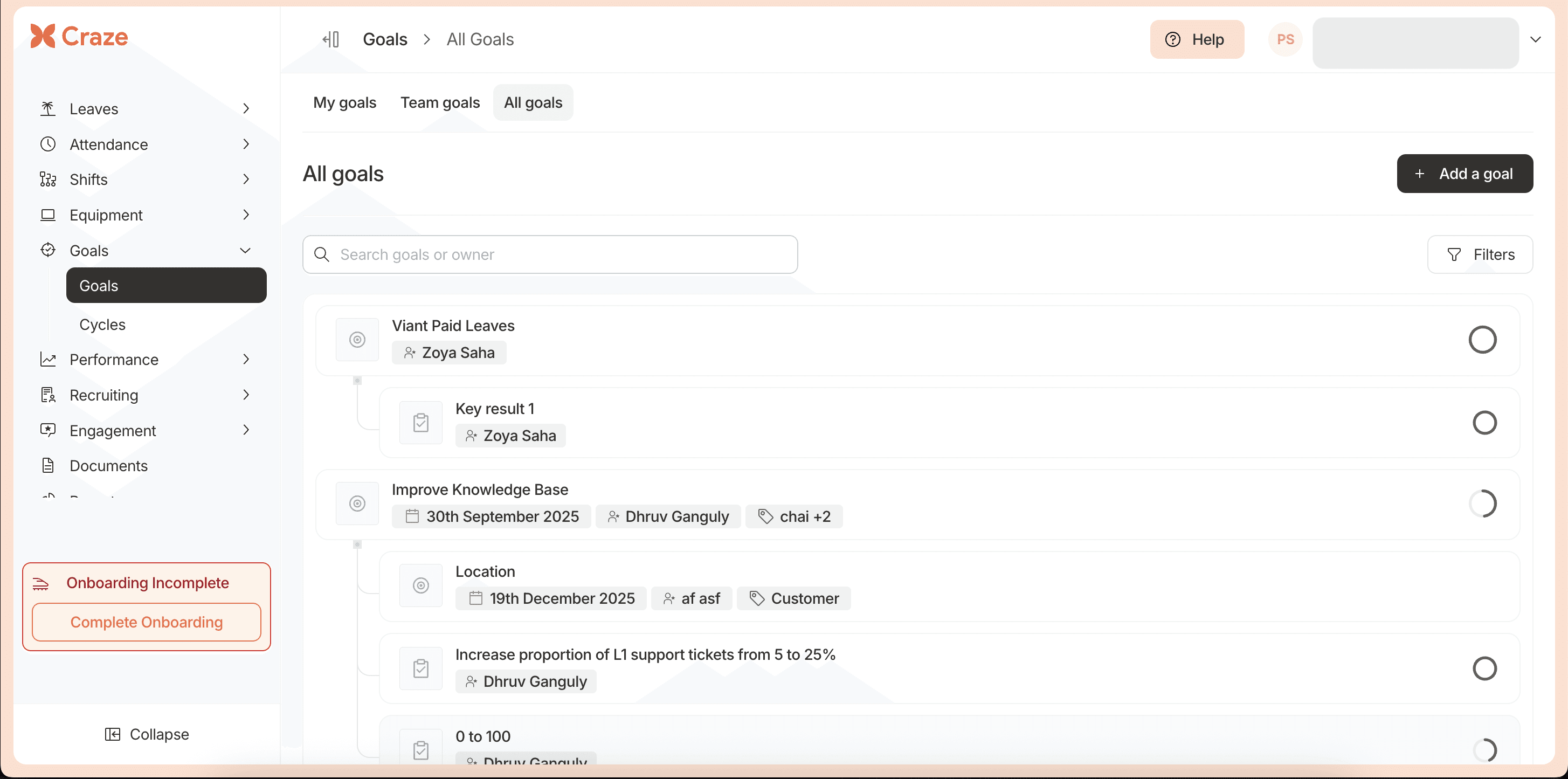
Transparency plays a huge role in building trust. Performance management software allows everyone to see goals, progress, and feedback in one place.
This visibility encourages collaboration, as team members understand their roles and how their work impacts the team’s success. It creates an environment where everyone works together towards common objectives.
5. Streamlined Performance Reviews
Performance reviews don’t have to be stressful or time-consuming. With performance management software, reviews are streamlined and consistent. Managers get the tools to assess performance fairly and regularly, ensuring that feedback is constructive and aimed at helping team members improve.

Having explored how performance management tools can aid in building high-performing teams, it's time to wrap things up.
Building a high-performing team requires more than just hiring the right talent; it’s about maintaining a culture of collaboration, setting clear goals, and ensuring continuous growth and well-being. When all these elements come together, your team can achieve outstanding results and drive long-term success. But getting there can be challenging, especially when team performance and alignment are difficult to track manually.
That’s where Craze Performance Management Software can make a real difference. With Craze’s intuitive tools, you can set and track clear goals, manage team performance, and provide real-time feedback, all in one place. By streamlining communication and giving your team the resources they need to succeed, Craze helps you create a high-performing team that’s aligned, motivated, and ready to deliver.

Q1. How can I ensure my team stays motivated in the long run?
A1. To maintain long-term motivation, it’s important to recognise individual and team achievements regularly, provide continuous learning opportunities, and create a clear career growth path. Encouraging autonomy and offering regular feedback can also keep motivation high.
Q2. How do I assess if my team is high-performing?
A2. To assess your team’s performance, look for signs such as clear alignment with company goals, strong collaboration, effective communication, and a high level of trust among team members. Regular feedback and performance reviews can also help gauge whether your team is performing at its best.
Q3. How can I improve team culture?
A3. Improving team culture starts with building open communication and collaboration. Encourage regular feedback, build trust by being transparent, and create opportunities for team members to work together. Recognising team successes and maintaining a supportive environment can also strengthen team culture.
Q4. Can technology help improve team performance?
A4. Yes, tools like Craze Performance Management Software can help streamline goal-setting, track progress, and provide real-time feedback. By using technology to align goals, monitor performance, and foster continuous learning, you can significantly improve team efficiency and productivity.
Q5. How does Craze Performance Management Software help in building high performing teams?
A5. Craze helps teams align their goals with the overall company mission, track progress in real-time, and provide feedback efficiently. The software fosters collaboration, transparency, and accountability, making it easier for teams to stay focused and motivated, leading to better performance.
