


Recruiting in India has become unusually difficult even as hiring activity rises. Nearly 75% of Indian recruiters now use AI-driven tools, yet teams still struggle with CV overload, weak screening signals, slow feedback from hiring managers, and candidates dropping out mid-process. Scheduling chaos and delayed approvals only add to the challenge.
Beyond these human bottlenecks, many organisations face operational inefficiencies. Manual workflows, poor integration between sourcing and HR systems, and repeated data re-entry after hiring create friction and slow down the overall recruitment process.
In this blog, you’ll get a practical shortlist of the best recruitment software in India, clear comparisons, and a step‑by‑step way to pick tools that solve real hiring pains efficiently.
Your ideal recruitment software depends on your hiring volume and workflow complexity.
Decide first between an integrated HRMS with recruitment or a dedicated ATS.
Look for features like resume parsing, interview scheduling, structured feedback, offer management, and reporting.
Hiring manager experience often determines adoption and overall success.
Ensure integrations with email, calendar, HRMS, and major job boards in India.
Recruitment software centralises the entire hiring process, helping teams manage candidates efficiently from application to onboarding. It streamlines workflows, reduces manual work, and improves collaboration across recruiters, hiring managers, and HR teams. Common modules in recruitment software include:
Job requisitions and job posting
Candidate sourcing, import, and deduplication
Resume parsing and candidate profiles
Pipeline stages, notes, tags, and collaboration
Interview scheduling, feedback collection, and scorecards
Offer creation, approval workflows, and e-signature tracking
Reporting and recruitment analytics
Note: Some modules may include onboarding, skills assessments, background checks, and referral tracking.
With a clear understanding of what recruitment software offers, let’s explore the key factors to consider when selecting the right solution for your hiring needs.
Choosing the right recruitment software can make or break your hiring efficiency. The best tools align with your workflow, improve collaboration, and reduce delays. Below are a few key factors to evaluate when shortlisting software for your organisation:
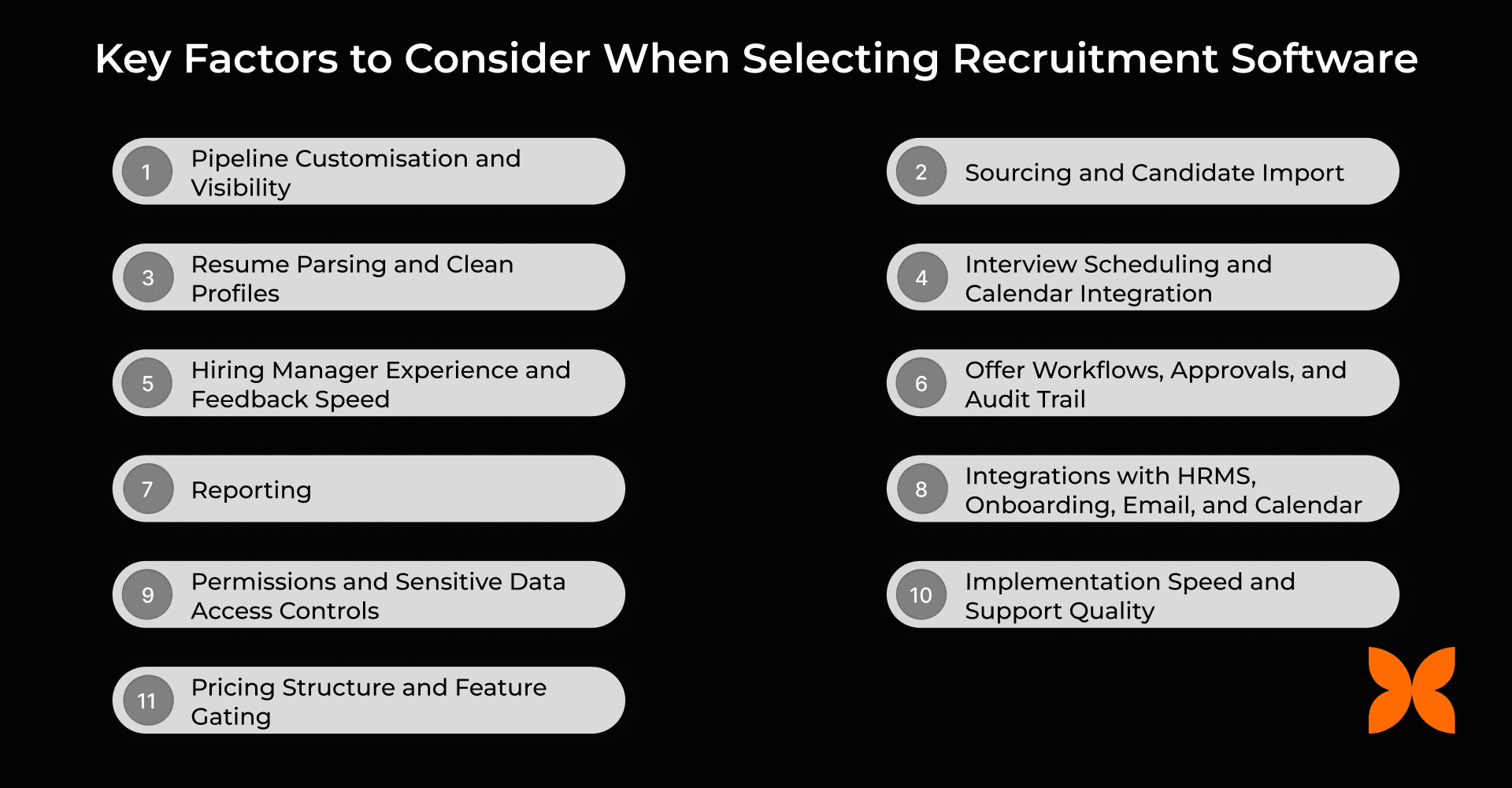
Pipeline Customisation and Visibility: Ensure stages reflect your hiring workflow and bottlenecks are clear.
Sourcing and Candidate Import: Check job board integrations, CSV imports, and bulk uploads.
Resume Parsing and Clean Profiles: Automated extraction of candidate data reduces manual errors.
Interview Scheduling and Calendar Integration: Sync with Outlook, Google, or internal calendars.
Hiring Manager Experience and Feedback Speed: Quick approvals and structured feedback improve adoption.
Offer Workflows, Approvals, and Audit Trail: Transparency and historical logs reduce delays and disputes.
Reporting: Track time-to-hire, stage conversion, and source quality to gain actionable insights and optimise your recruitment strategy.
Integrations with HRMS, Onboarding, Email, and Calendar: Avoid manual data re-entry post-hiring.
Permissions and Sensitive Data Access Controls: Protect candidate data and comply with local regulations.
Implementation Speed and Support Quality: Fast onboarding ensures ROI.
Pricing Structure and Feature Gating: Understand what’s included in each tier and any hidden costs.
Understanding these key factors makes it easier to compare the best recruitment tools side by side.
Also Read: 25+ Workforce Management Software Features for Indian Businesses
Finding the right recruitment software becomes easier when you understand each tool’s features and strengths. Here’s a side-by-side look at 11 leading recruitment tools in India, highlighting strengths and potential watch-outs.
Tool | Best for | Highlights | Watch-outs |
Craze | End-to-end recruitment with automatic onboarding | Sourcing → Day 1 employee in one system; pipeline analytics; interview scheduling | No major concerns |
Zoho Recruit | ATS with CRM-style recruiting | Configurable workflows; structured stages; automation; Zoho ecosystem | May require training for advanced automation |
Freshteam | Growing companies with simple workflows | Clean UI; candidate tracking; collaboration; HR platform adjacency | Limited advanced automation |
Keka Hire | HRMS continuity | Integrated HRMS; pipeline management; reduces manual handoffs | Mostly suitable for Keka users |
Darwinbox | Enterprise hiring | Structured workflows; controls; multi-role visibility; HR suite integration | Implementation can take longer |
HROne | Familiar Indian HR platform | ATS basics; pipeline tracking; HR + recruitment together | Limited advanced analytics |
TalentRecruit | Dedicated talent acquisition | Automation; multi-role hiring; structured workflows; productivity focus | Less HRMS integration |
Recruit CRM | Agencies and staffing firms | Candidate + client management; pipeline visibility; multi-role tracking | May require CRM familiarity |
Workable | Well-known ATS | Clean pipeline; interview scheduling; reporting; structured workflows | Cost scales with user count |
Greenhouse | Structured hiring and scorecards | Evaluation scorecards; process rigour; analytics; standardised feedback | Higher learning curve |
iMocha | Skills assessments | Assessment-first; technical screening; complements ATS; reduces low-signal CVs | Not a full ATS |
Now that you’ve seen the overview, here’s a closer look at how each recruitment tool performs in practice.
From sourcing to onboarding, the right tool ensures efficiency, visibility, and a better candidate experience. Below are 11 of the best recruitment software solutions in India, with key features, best-for scenarios, and what makes each stand out:
1. Craze
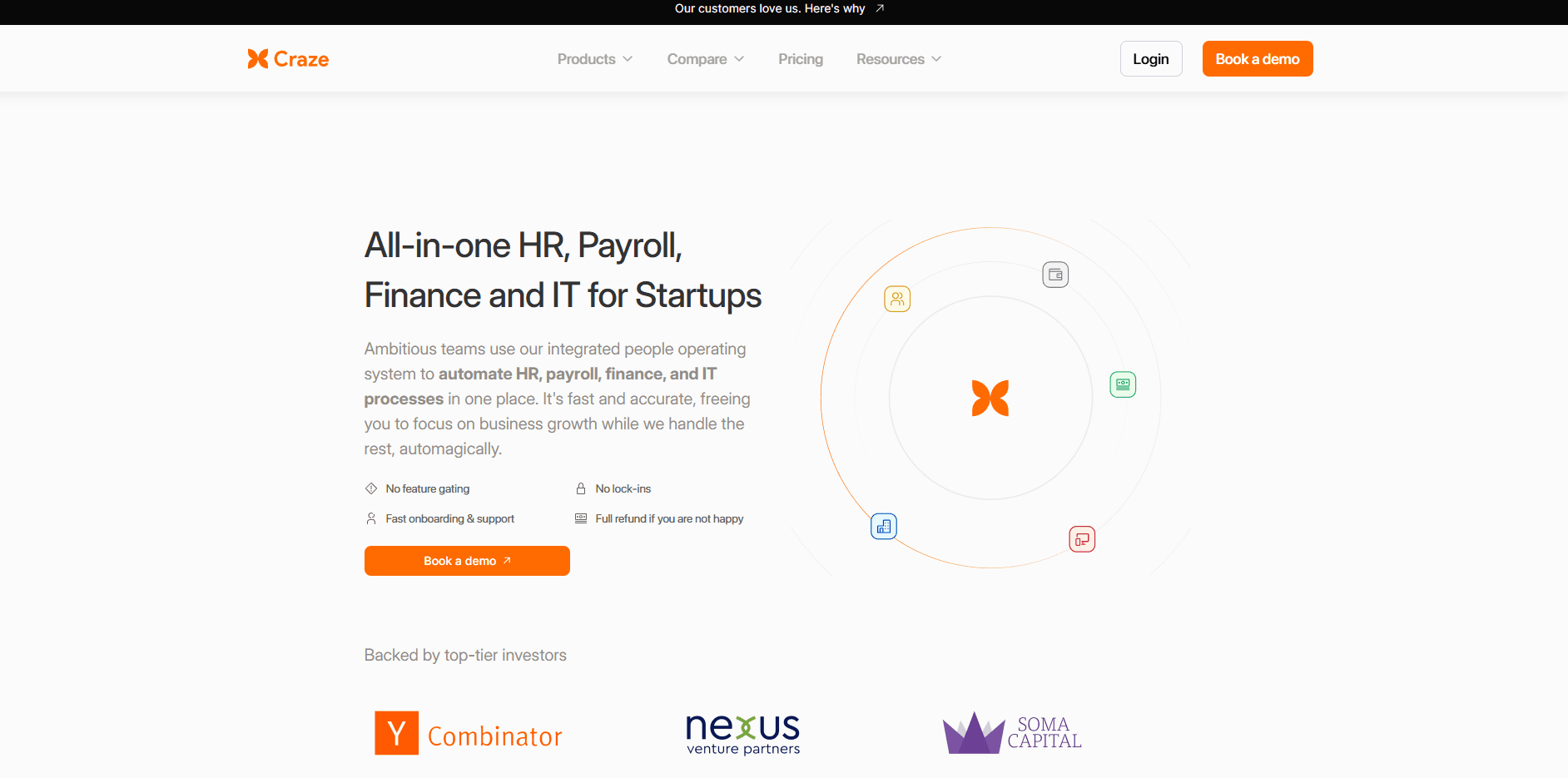
Craze centralises recruitment workflows in a single platform, covering candidate sourcing, interview scheduling, offer approvals, and onboarding. Candidate data stays unified, cutting manual work and handoffs. Its modular design lets you start with recruitment and later add payroll, attendance, or performance, keeping all data in sync across the system.
Highlights:
End-to-end workflow from sourcing to Day 1 onboarding in one system
Candidate record becomes employee record automatically, no re-entry
Custom pipelines per role with stage analytics and bottleneck visibility
Interview scheduling with calendar slot finding and automated reminders
Offers with approval workflows and activity history
Strong permissions and audit trail for recruiters, hiring managers, and interviewers
Fast setup with configurable requisitions, approvals, and workflows
Best for: Teams that want end-to-end recruitment, automatic onboarding, and HR data sync with minimal handoffs.
2. Zoho Recruit
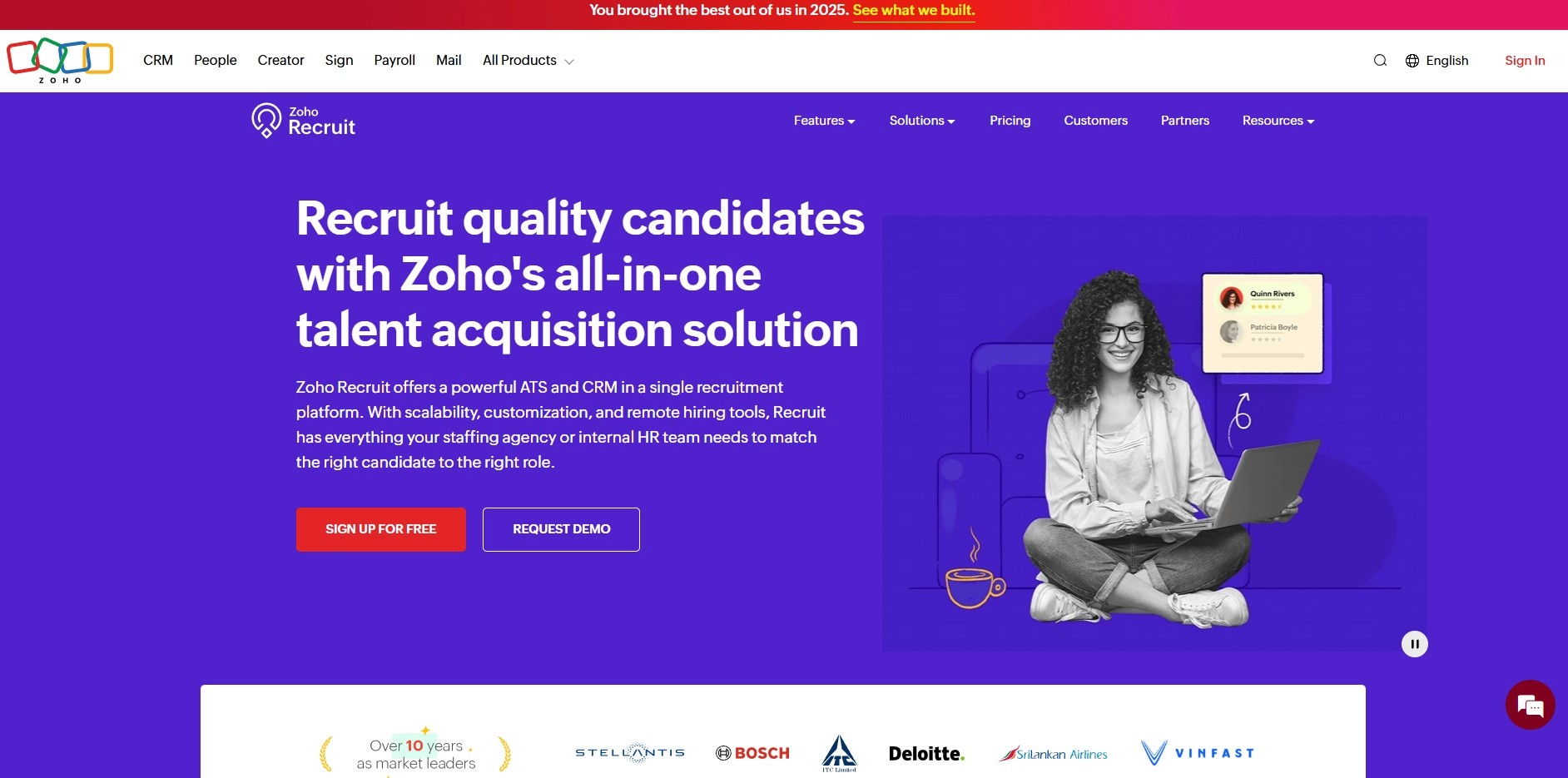
Zoho Recruit is a cloud-based recruitment platform that supports end-to-end hiring coordination. It helps teams manage recruitment activities through a single system while supporting structured processes across the hiring lifecycle.
Highlights:
ATS + recruitment CRM approach for managing candidates and pipelines
Candidate database and structured hiring stages
Automation options for communication and workflow steps
Works well within the broader Zoho ecosystem
Suitable for teams looking for configurable workflows
Best for: Teams that want an ATS with CRM-style recruiting capabilities, especially if they already use Zoho products.
3. Freshteam (Freshworks)
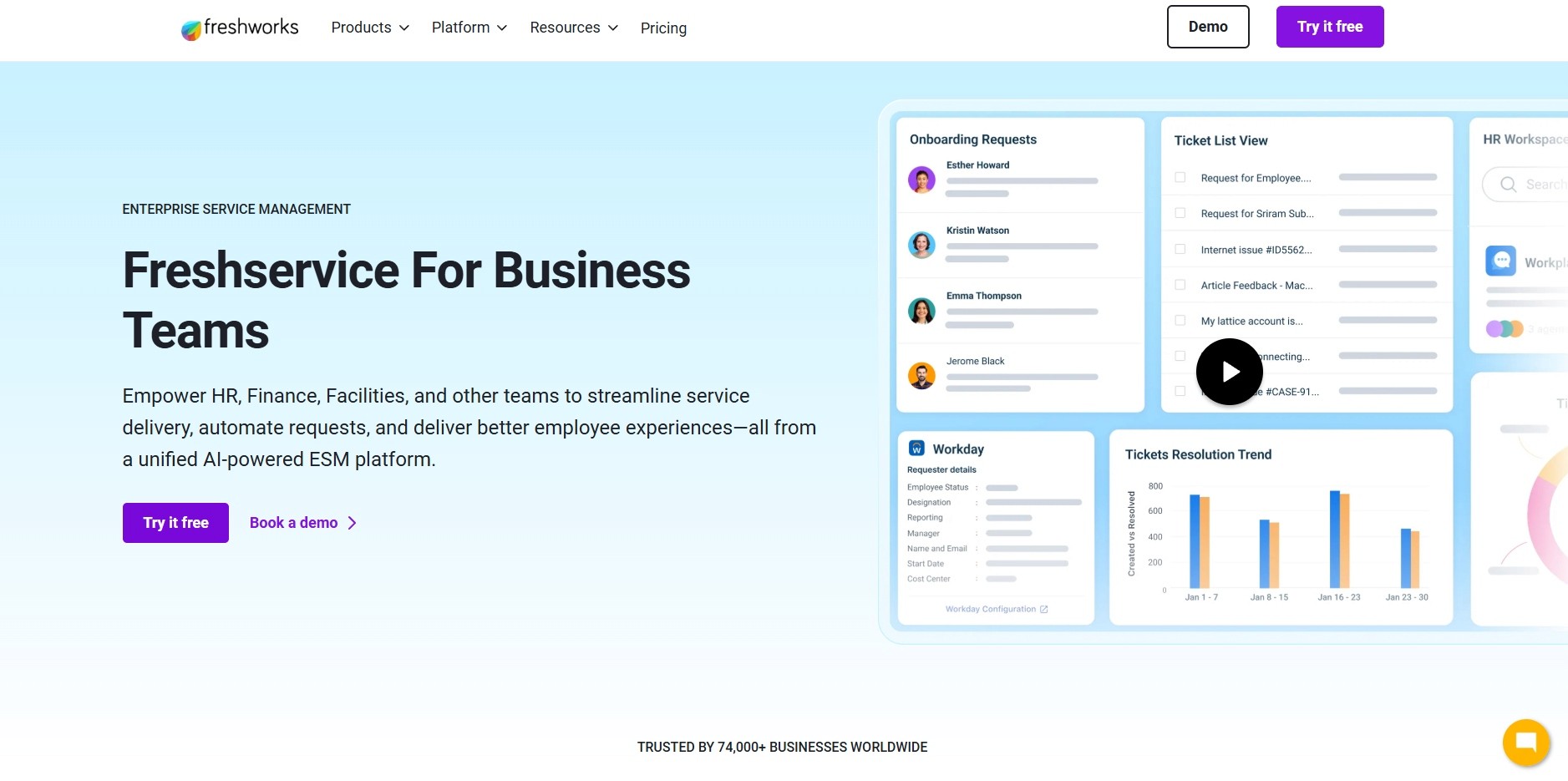
Freshteam is a cloud-based recruitment platform designed to centralise hiring activities within an organisation. It provides a single system for managing recruitment records and coordinating hiring-related tasks.
Highlights:
Simple ATS workflows for sourcing, tracking, and collaboration
Candidate profiles and pipeline visibility
Hiring team collaboration and feedback collection
Works well for teams that want fast adoption
Often chosen by teams that want recruitment tied to broader HR workflows
Best for: Growing companies that want straightforward hiring workflows with a clean UI and HR platform adjacency.
4. Keka Hire
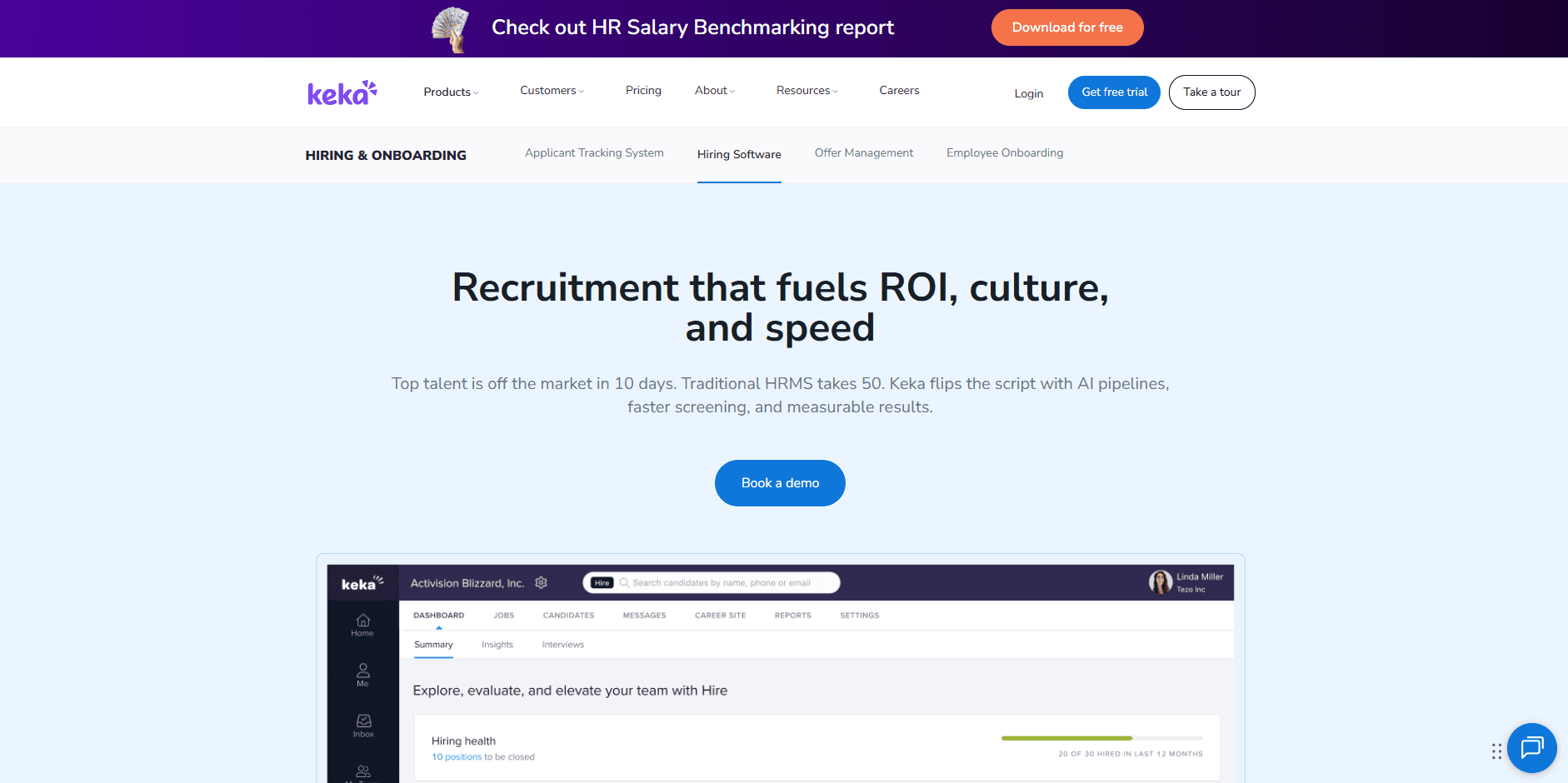
Keka Hire extends the Keka HRMS by adding recruitment capabilities within the same platform. It enables recruitment data to flow alongside core HR records within a unified system.
Highlights:
Integrated recruitment module within an HRMS
Pipeline management and hiring workflows
Suitable for teams prioritising HRMS continuity
Helps reduce manual handoffs to HR data where supported
Built for India-based HR operations contexts
Best for: Organisations using Keka HRMS that want recruitment inside the same ecosystem.
5. Darwinbox (Recruitment / TA module)
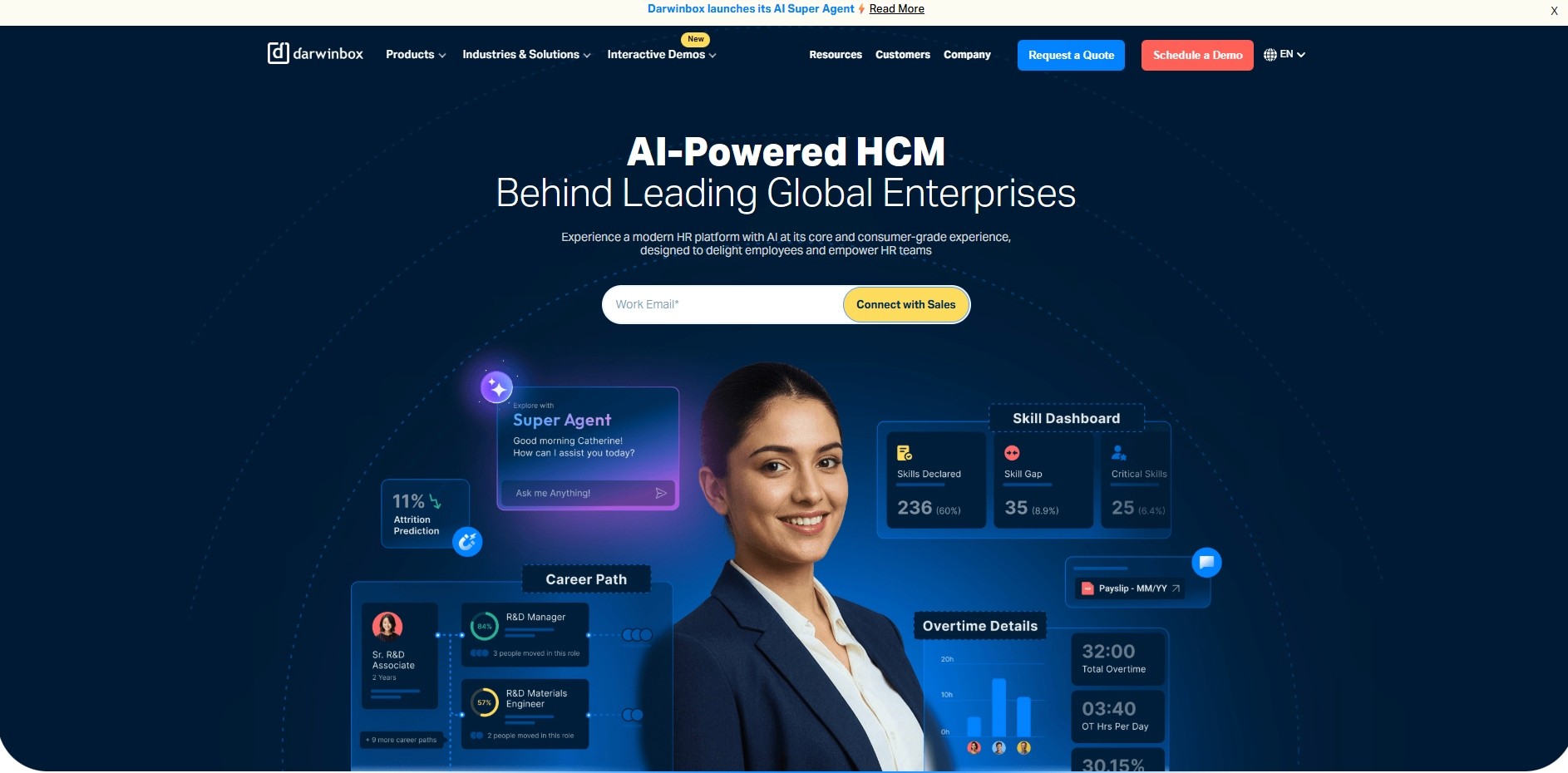
Darwinbox Recruitment is an enterprise-grade talent acquisition platform that centralises and streamlines hiring operations. It provides a unified system that aligns recruitment with broader HR processes and organisational policies.
Highlights:
Recruitment module designed for high process maturity
Strong workflows, controls, and structured hiring processes
Suitable for teams needing multi-role hiring visibility
Designed to work within a broader HR suite
Often considered by enterprises and complex org structures
Best for: Larger organisations that need structured, enterprise-grade HR and recruitment processes.
6. HROne (Recruitment module)
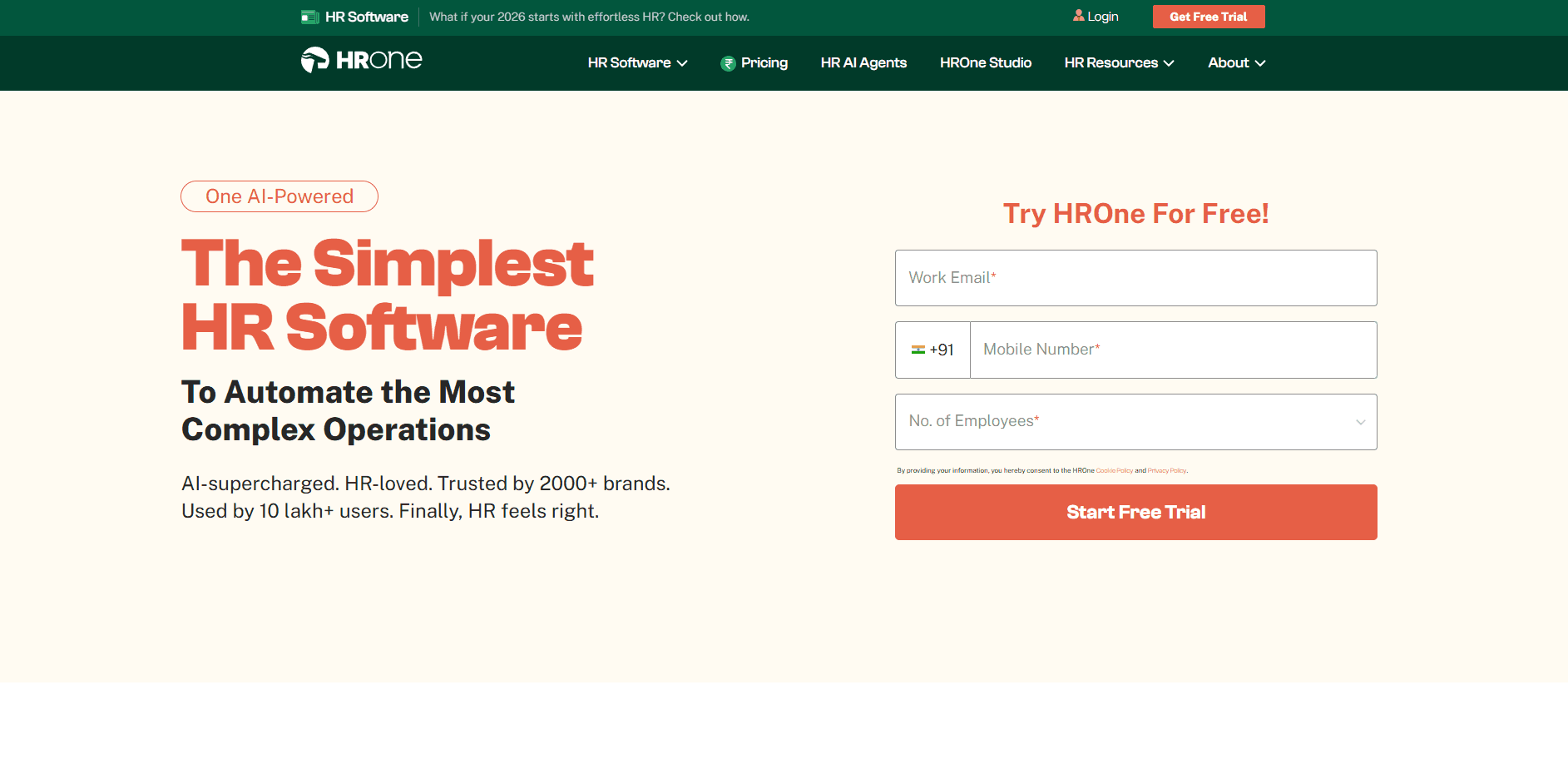
HROne Recruitment adds hiring functionality to the HROne HR platform. It places recruitment activities within the same system used for day-to-day HR operations.
Highlights:
Recruitment inside a broader HR suite
ATS basics with pipeline tracking and collaboration
Often used by organisations wanting a single platform approach
Focus on productivity and operational HR workflows
Suitable for teams that want HR + recruitment together
Best for: Teams that want a familiar Indian HR platform with built-in recruitment capabilities.
7. TalentRecruit
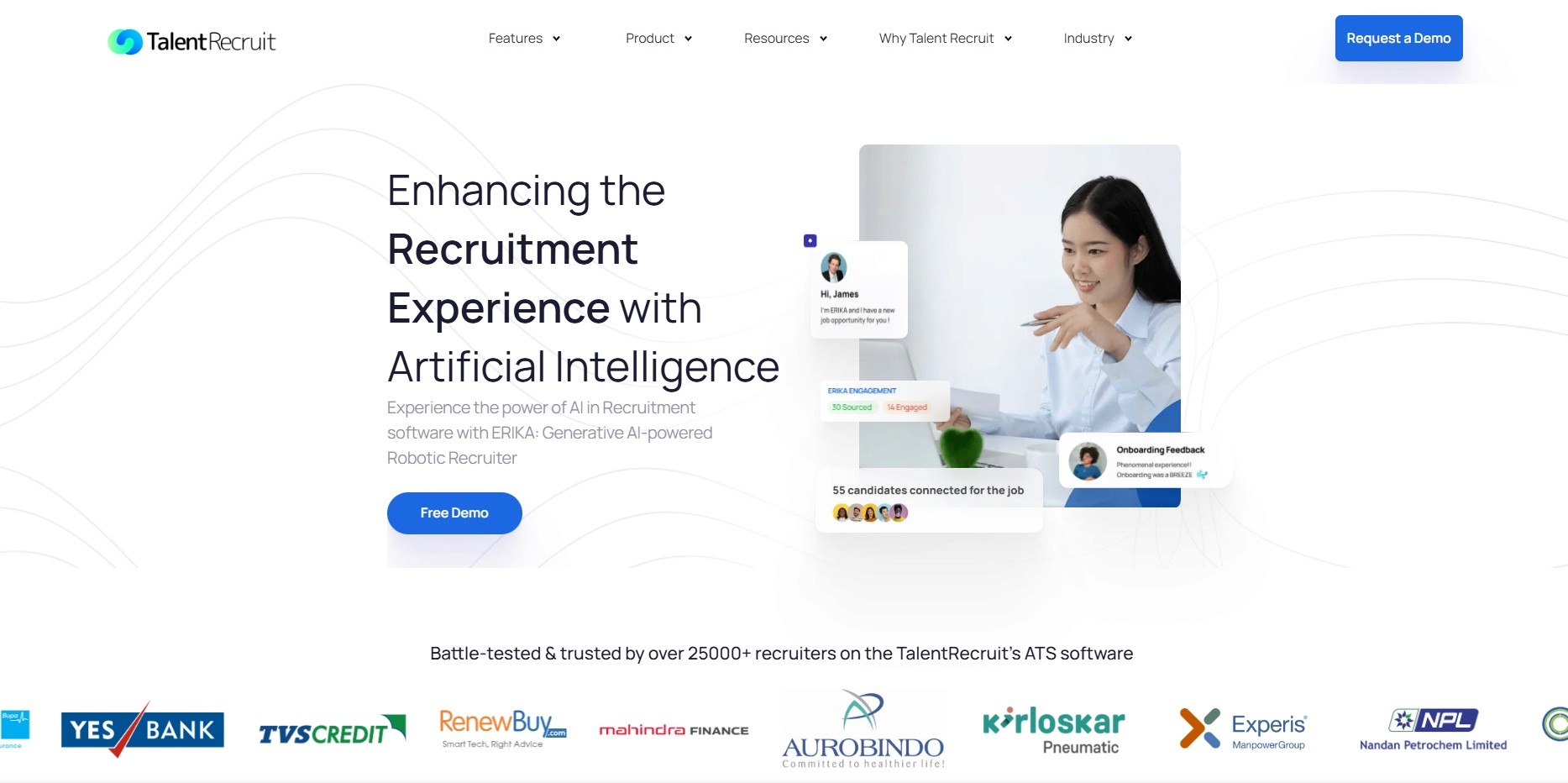
TalentRecruit is a standalone recruitment platform designed to manage hiring activities within a single system. It provides structure and governance for recruitment operations across an organisation.
Highlights:
Dedicated recruiting workflows and pipeline management
Automation features for streamlining repetitive steps
Suitable for teams hiring across multiple roles and functions
Focus on improving recruiter productivity and process consistency
Often positioned for structured talent acquisition teams
Best for: Teams that want a dedicated talent acquisition platform with automation and end-to-end recruitment coverage.
8. Recruit CRM
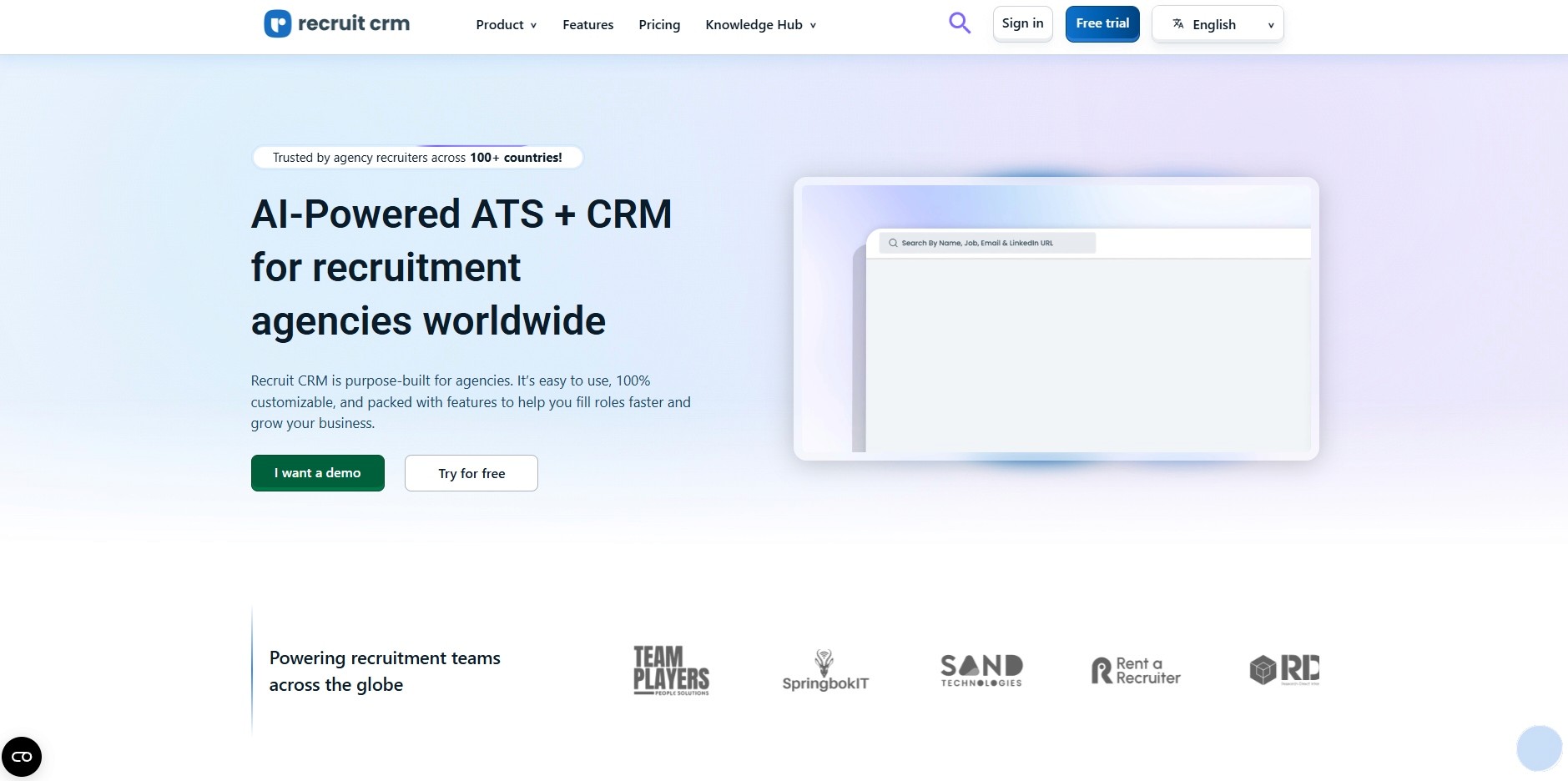
Recruit CRM is a recruitment platform designed to manage relationships throughout the hiring lifecycle. It brings candidate and business-side interactions into a single system for coordinated tracking.
Highlights:
ATS + CRM style workflows for agency operations
Candidate tracking plus client/job management
Strong for pipeline visibility across clients and roles
Designed for recruiters managing multiple positions concurrently
Suitable for firms where sales and recruitment workflows overlap
Best for: Recruitment agencies and staffing firms that need both candidate and client management.
9. Workable
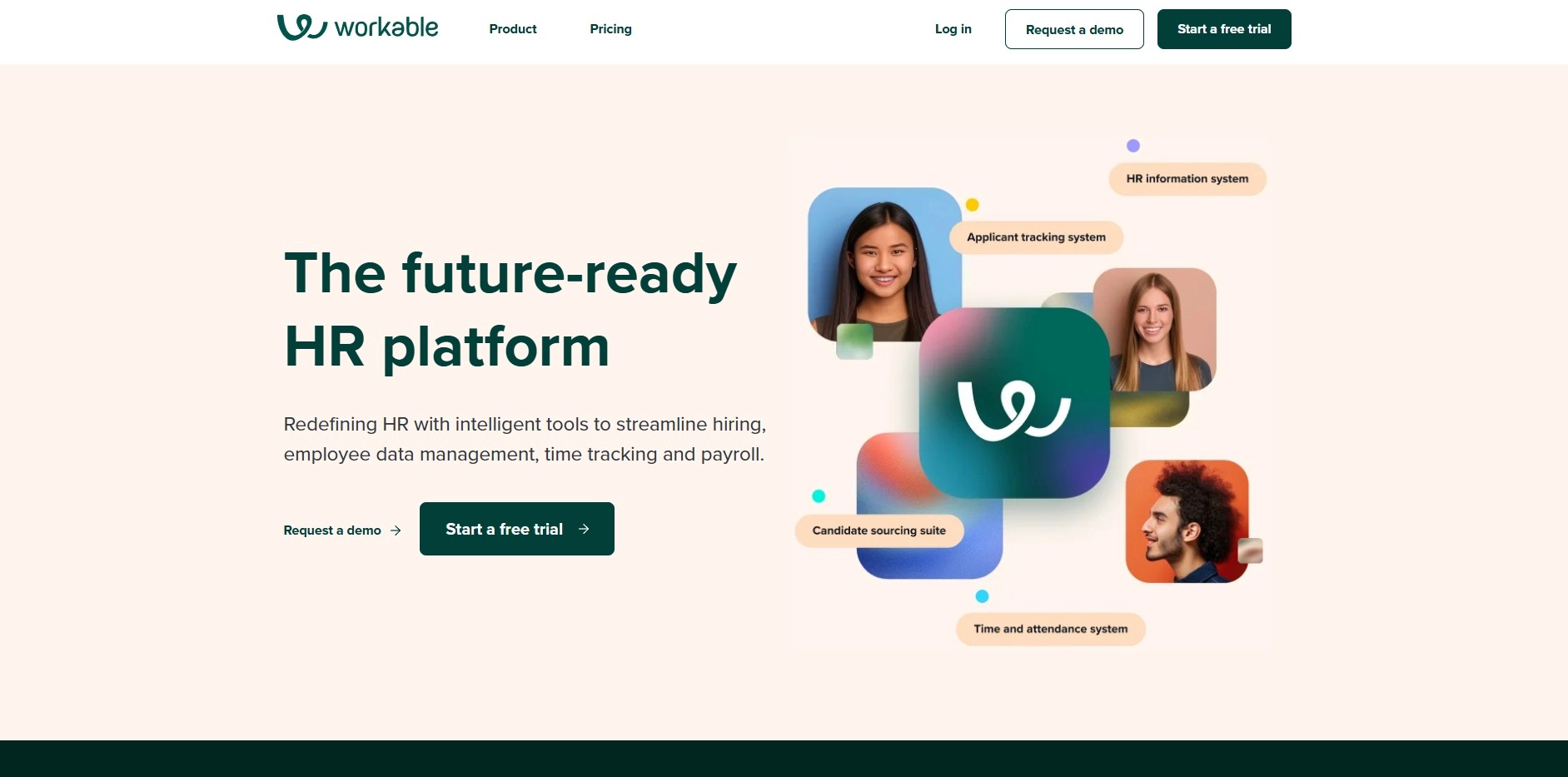
Workable is a cloud-based hiring platform that provides a central workspace for managing recruitment activities. It helps teams keep hiring information organised and accessible across stakeholders.
Highlights:
Clean candidate pipeline and collaboration features
Interview scheduling and team feedback collection
Suitable for consistent hiring processes and visibility
Reporting for funnel performance and hiring metrics
Often chosen by teams wanting a dedicated ATS experience
Best for: Companies that want a well-known ATS with strong usability and structured hiring workflows.
10. Greenhouse
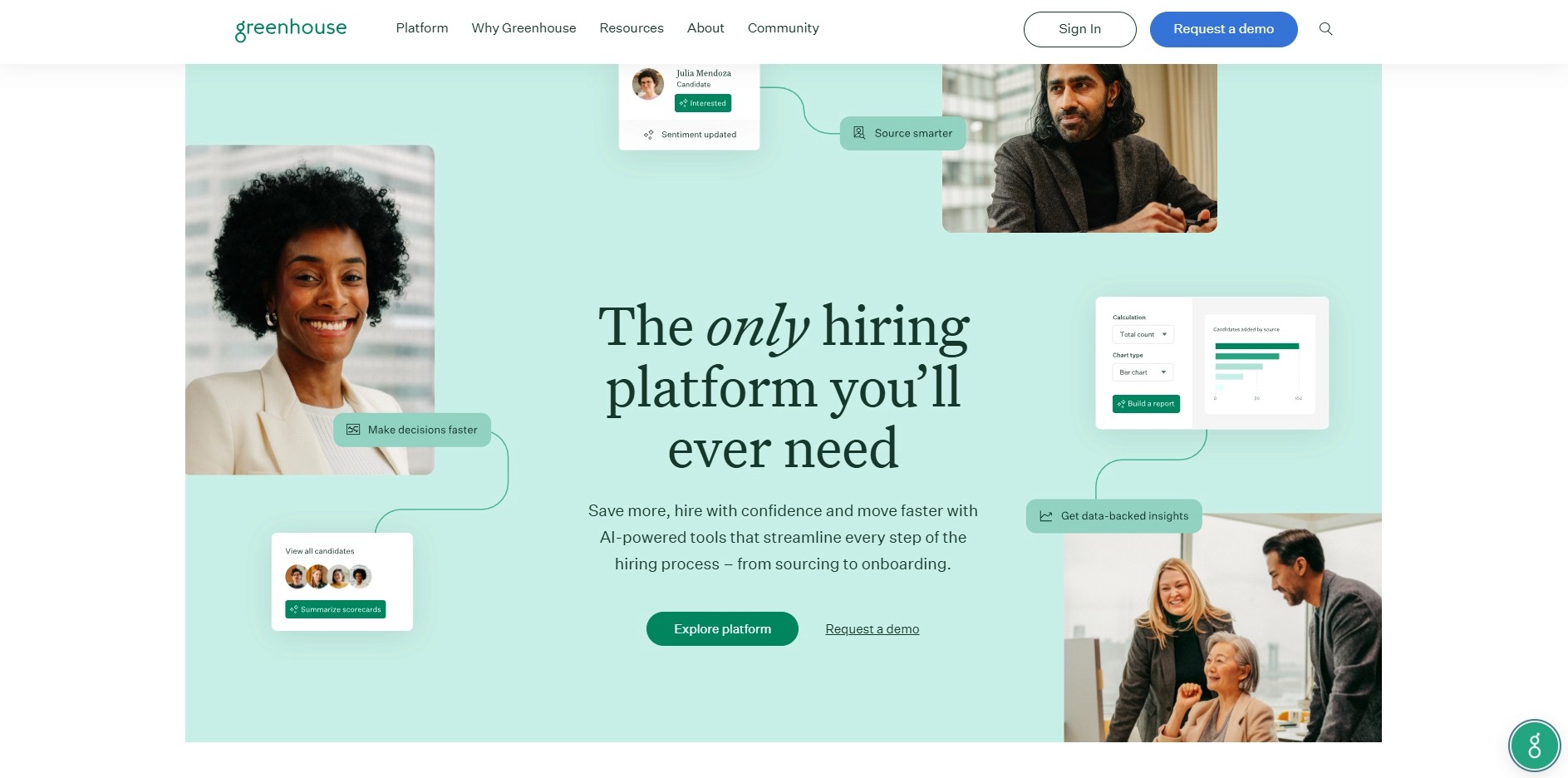
Greenhouse is a hiring platform designed to formalise recruitment processes within organisations. It emphasises clarity, accountability, and repeatability across hiring decisions.
Highlights:
Strong, structured hiring workflows and evaluation scorecards
Good for standardising hiring manager feedback
Reporting and analytics for hiring performance
Suitable for organisations investing in process maturity
Often adopted where consistency and governance matter
Best for: Teams that want highly structured hiring, scorecards, and process rigour with analytics.
11. iMocha (Skills assessments)
iMocha is a skills intelligence platform used to evaluate candidate capabilities before interviews. It supports hiring teams by adding objective skill validation into the recruitment process.
Highlights:
Assessment-first tool that strengthens screening signal
Useful for technical and skill-heavy roles
Can sit alongside your ATS to improve shortlisting quality
Helps reduce time spent on low-signal CV screening
Not a full ATS, best used as part of a hiring stack
Best for: Teams that want skills-based screening at scale and need assessments alongside an ATS.
Also Read: Top 20 Essential Features of HR Software for Indian Business
Once you understand how different recruitment tools are positioned, the next step is to evaluate which one best fits your hiring needs, team structure, and internal processes.
Selecting recruitment software is less about features and more about fit. The wrong choice creates new delays, while the right one removes friction at every hiring step. This framework helps you evaluate tools based on how your team actually hires, collaborates, and approves decisions.
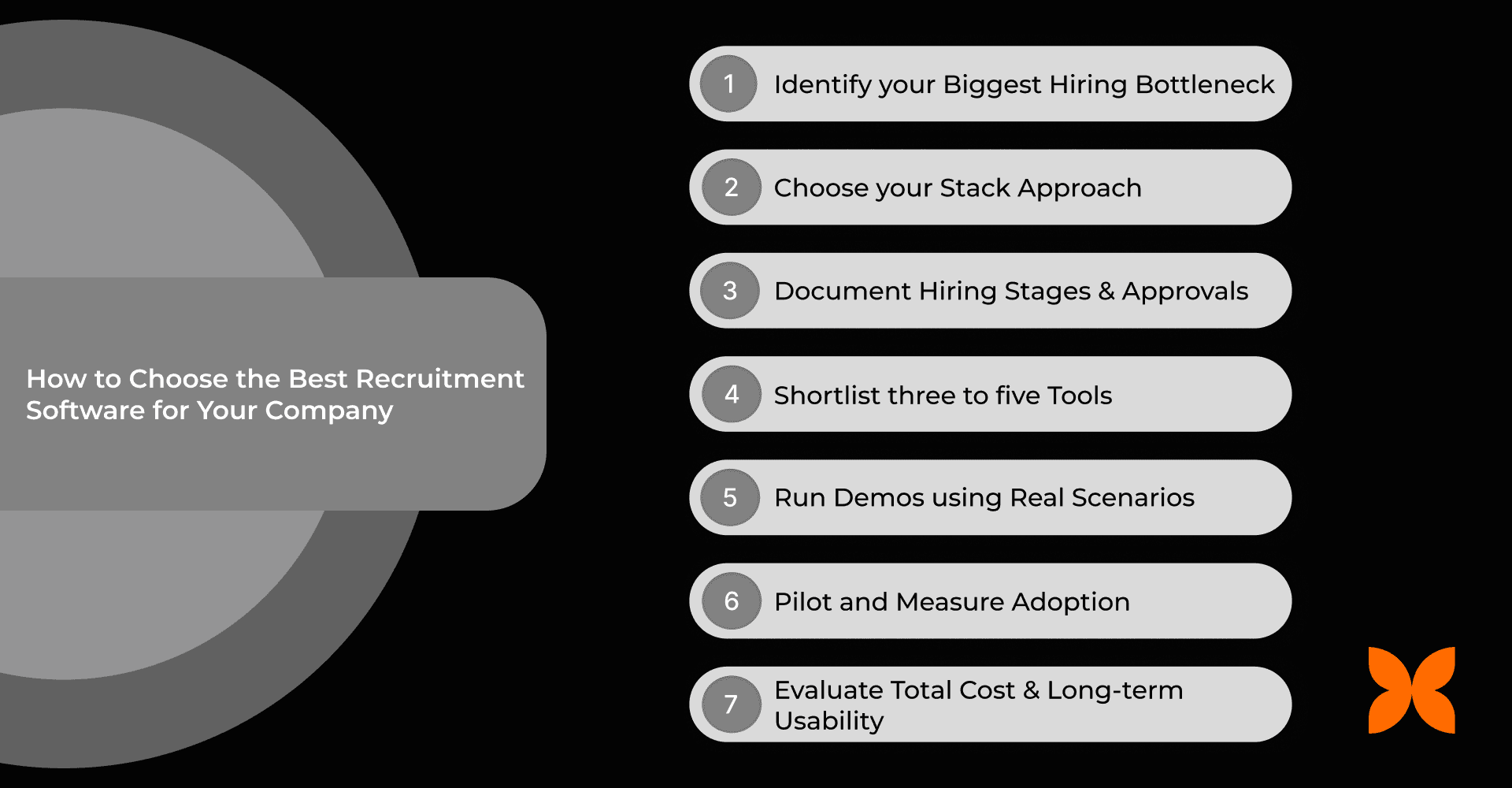
Identify your Biggest Hiring Bottleneck: Determine whether delays come from screening quality, interview scheduling, hiring manager feedback, or offer approvals.
Choose your Stack Approach: Decide between an integrated HRMS with recruitment or a dedicated ATS that plugs into existing systems.
Document Hiring Stages and Approvals: Map every stage, owner, and approval step to ensure the tool supports your process end to end.
Shortlist three to five Tools: Select options that match your workflow complexity, hiring volume, and team structure.
Run Demos using Real Scenarios: Test resume parsing, interview scheduling, feedback collection, approval flows, and reporting.
Pilot and Measure Adoption: Track manager response times, time to shortlist, and candidate drop-offs during the trial period.
Evaluate Total Cost and Long-term Usability: Consider pricing tiers, support quality, ease of configuration, and future scalability.

The best recruitment software is the one that fits your hiring workflow and is consistently adopted by recruiters and hiring managers. Before comparing features, decide whether your organisation needs an integrated HR suite with recruitment or a dedicated ATS that connects to existing systems. Shortlisting tools without this clarity often leads to poor adoption and stalled processes.
Run pilots to measure real outcomes such as manager response times, time to shortlist, candidate drop-offs, and feedback quality. The most reliable next step is to shortlist three tools, run structured demos using real hiring scenarios, and choose the platform that aligns with how your team actually hires today.
1. What is the best recruitment software in India?
It depends on your workflow. For end-to-end hiring with onboarding, Craze is strong. For growing teams needing simple pipelines, Freshteam works. Agencies may prefer Recruit CRM for candidate + client management.
2. What is the difference between an ATS and recruitment software?
An ATS tracks candidates through hiring stages. Recruitment software may include sourcing, interview scheduling, offers, onboarding, and analytics. ATS is usually the core of a broader recruitment platform.
3. How much does recruitment software cost in India?
Pricing depends on the number of users, workflow complexity, and modules. Some tools charge per recruiter, others per feature tier. Hidden costs include onboarding, integrations, and support.
4. Should we choose an HRMS with recruitment or a dedicated ATS?
If recruitment is one of many HR functions, an HRMS module works. For high-volume hiring, structured workflows, or multi-role visibility, a dedicated ATS is better.
5. How long does it take to implement recruitment software?
Implementation ranges from days to several weeks, depending on workflow complexity, integrations, and training needs.
6. Can recruitment software reduce time-to-hire?
Yes. Automation, structured pipelines, faster feedback loops, and centralised candidate information accelerate hiring.
7. Why are growing teams in India adopting recruitment software?
Spreadsheets fail at scale. Multiple sources create chaos. Hiring speed affects acceptance rates. Managers need quick feedback tools. Leadership wants funnel metrics and audit trails for compliance.
